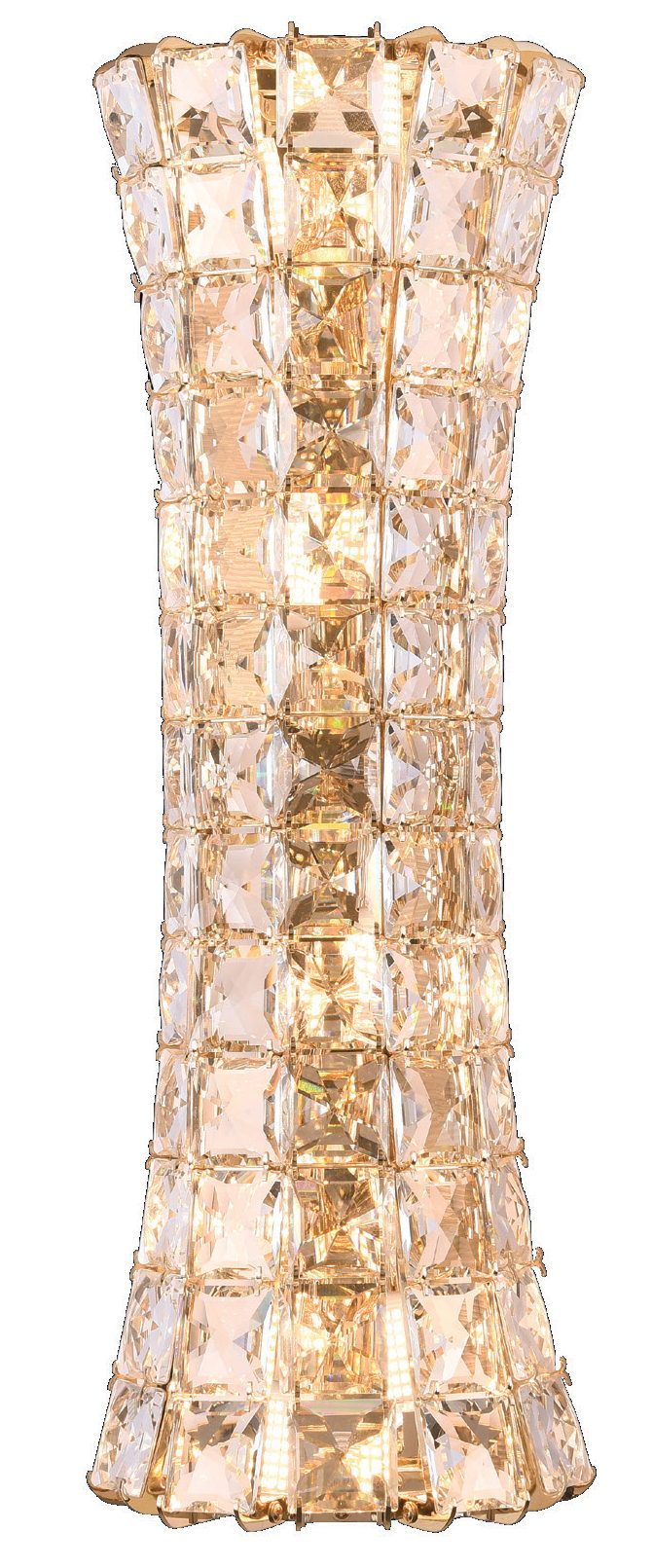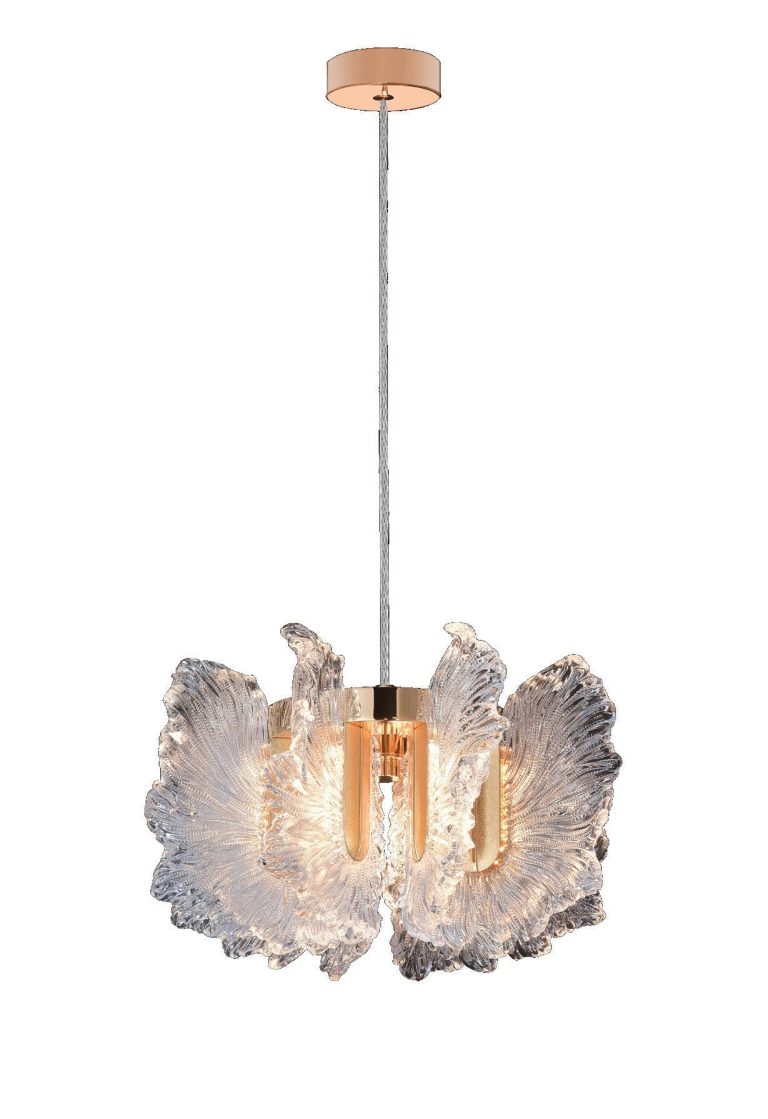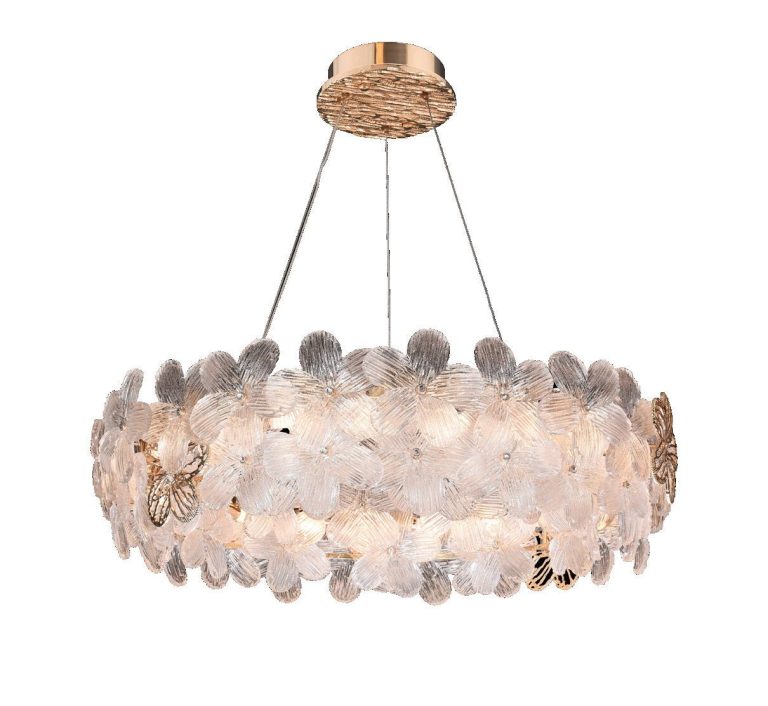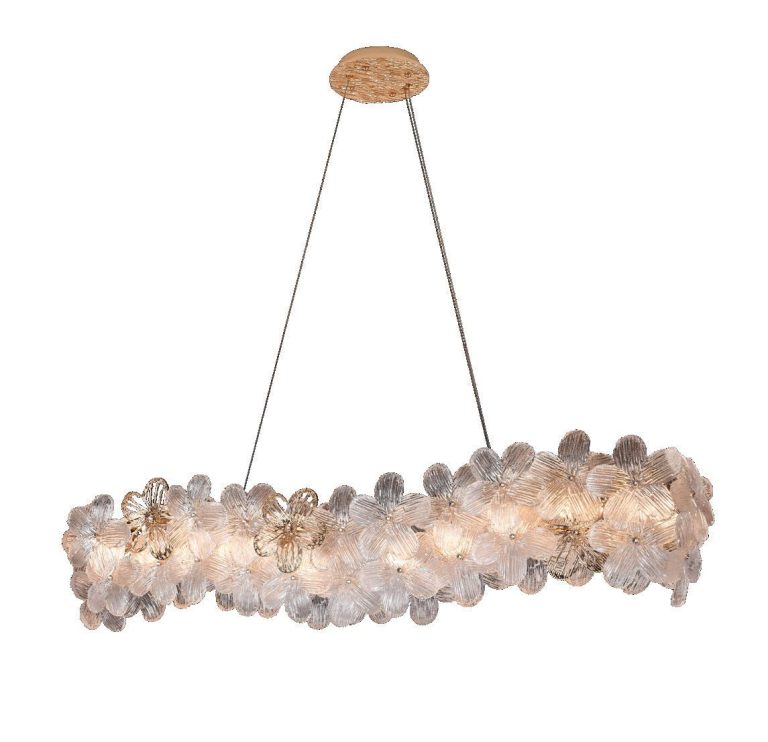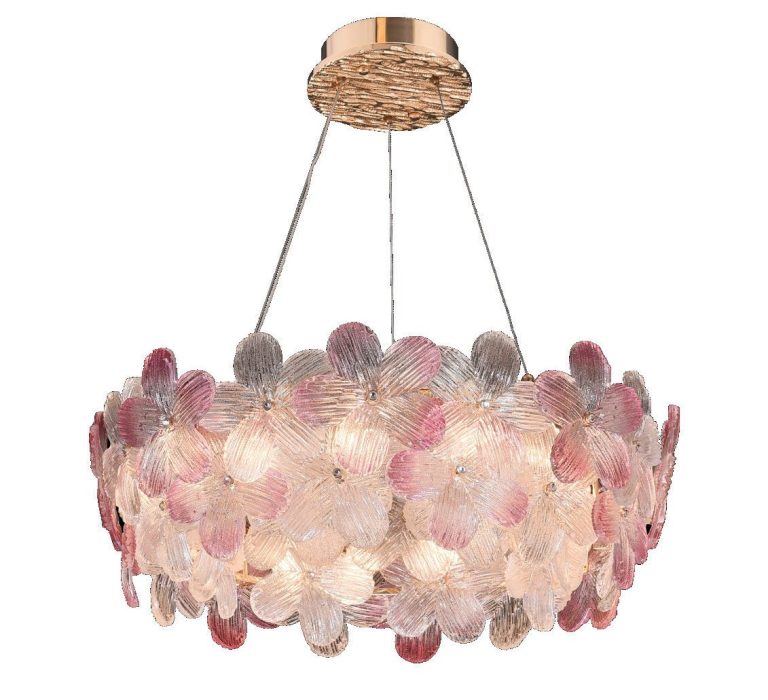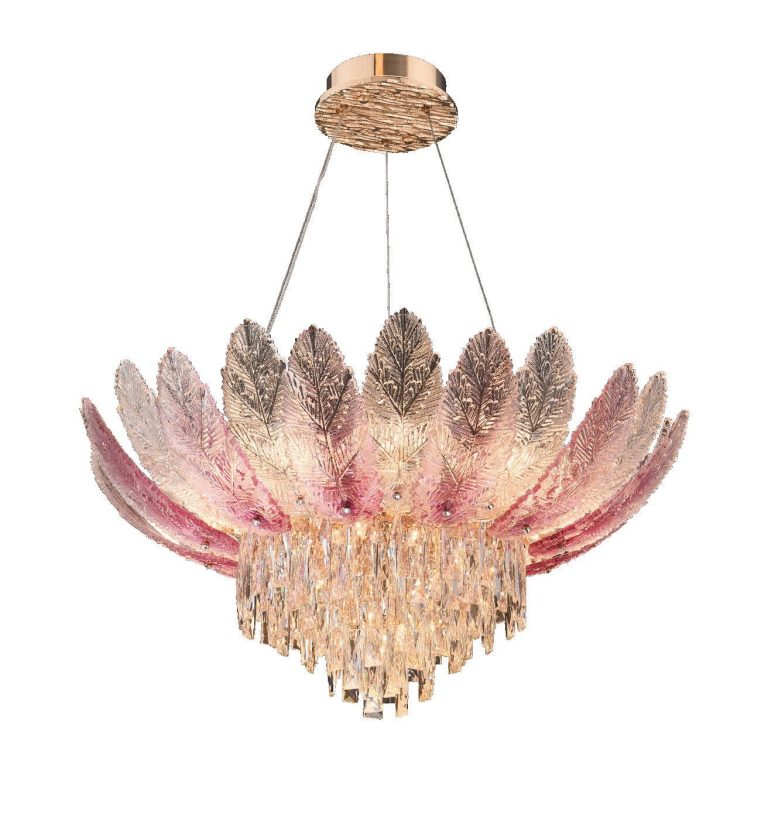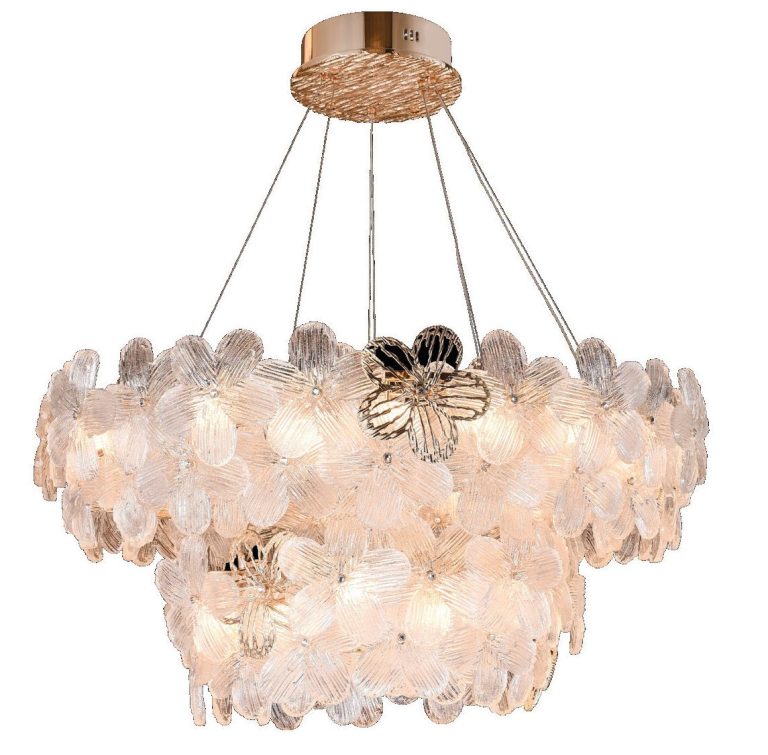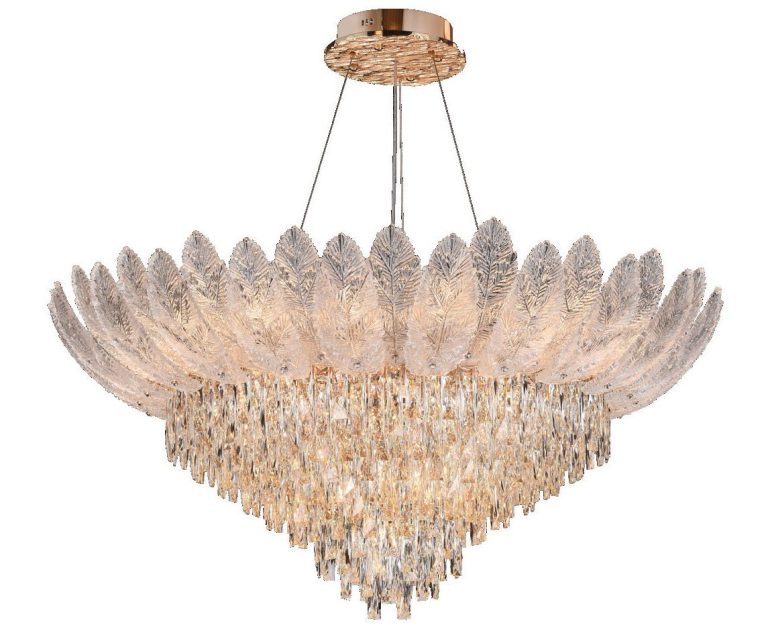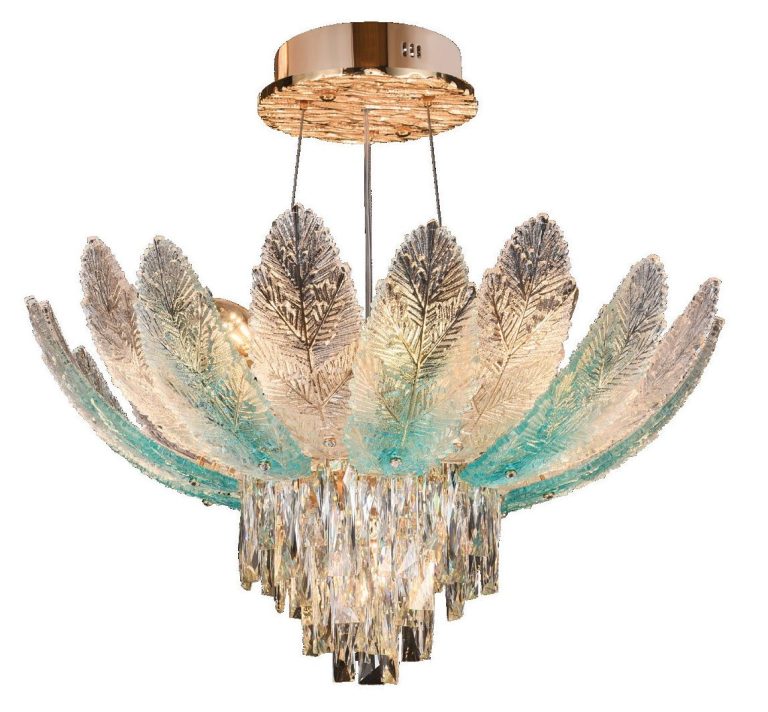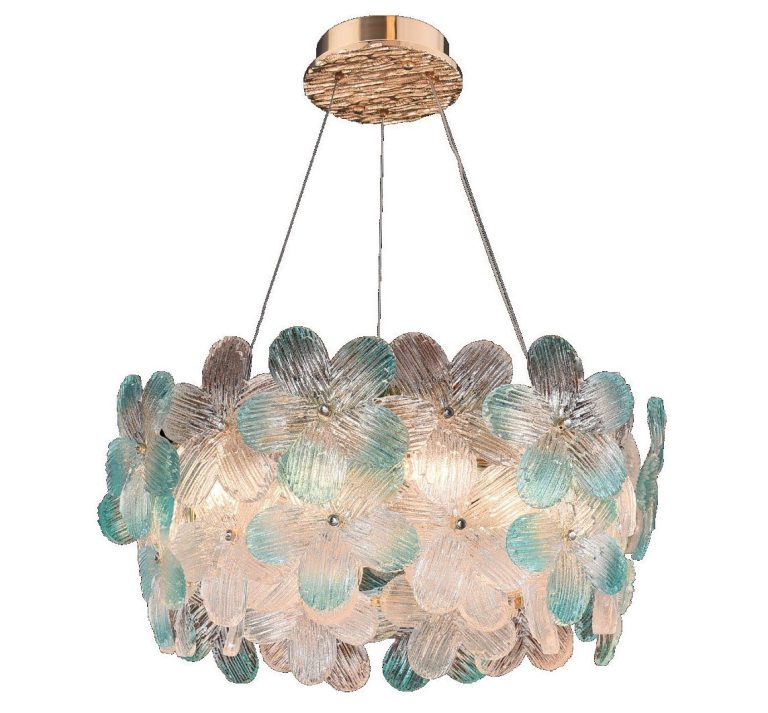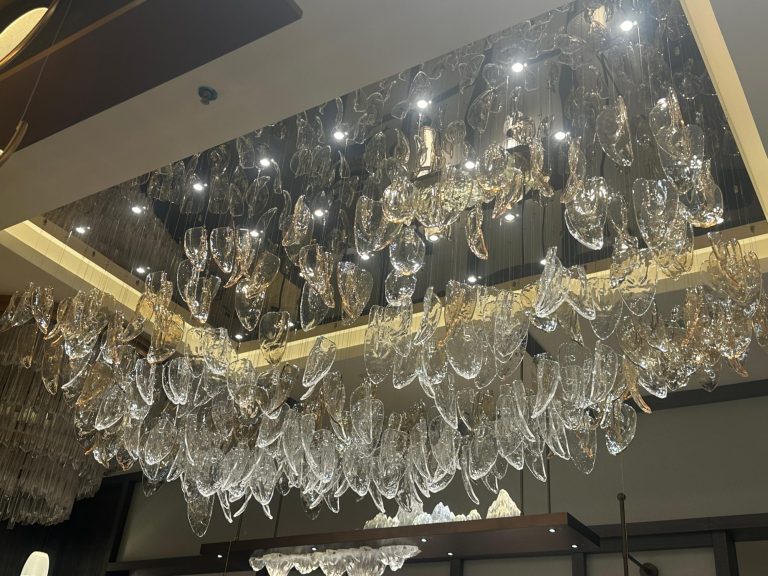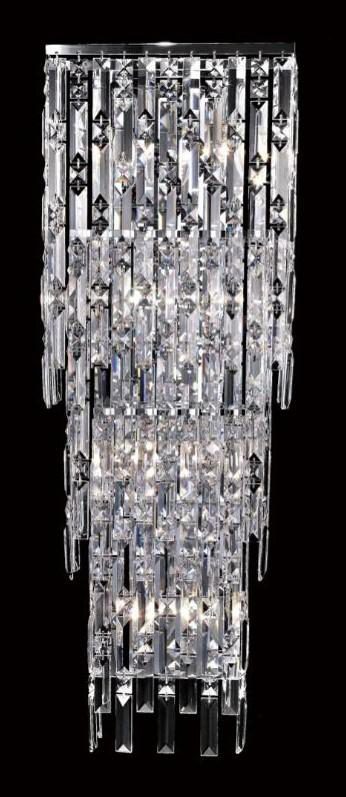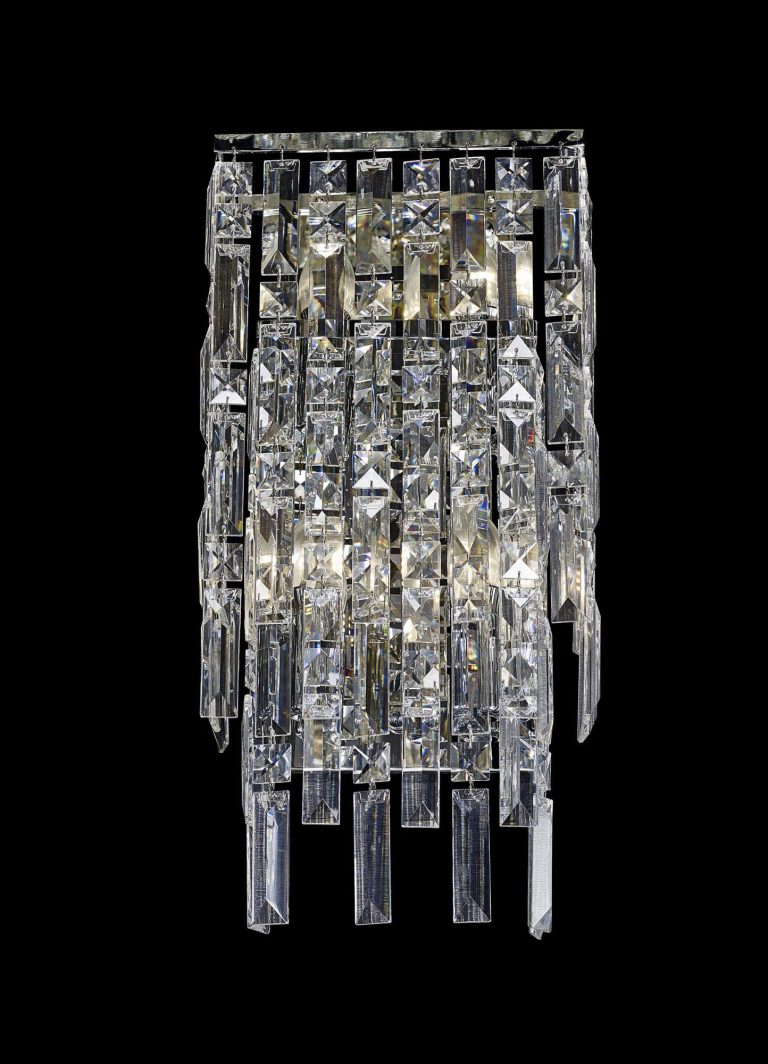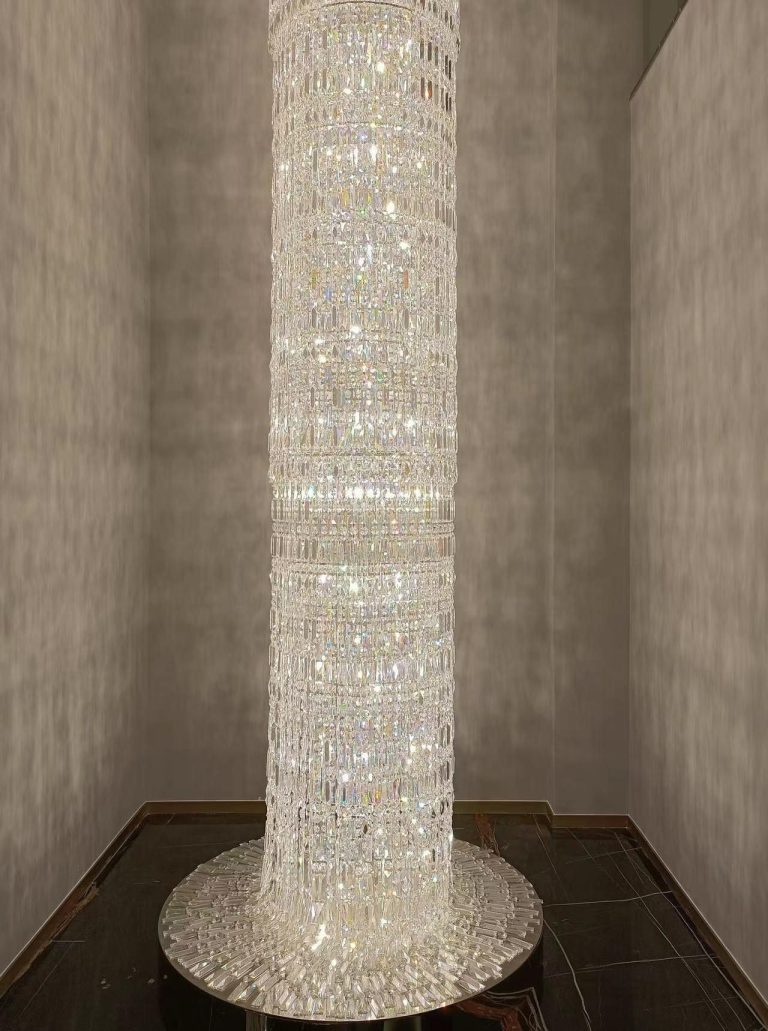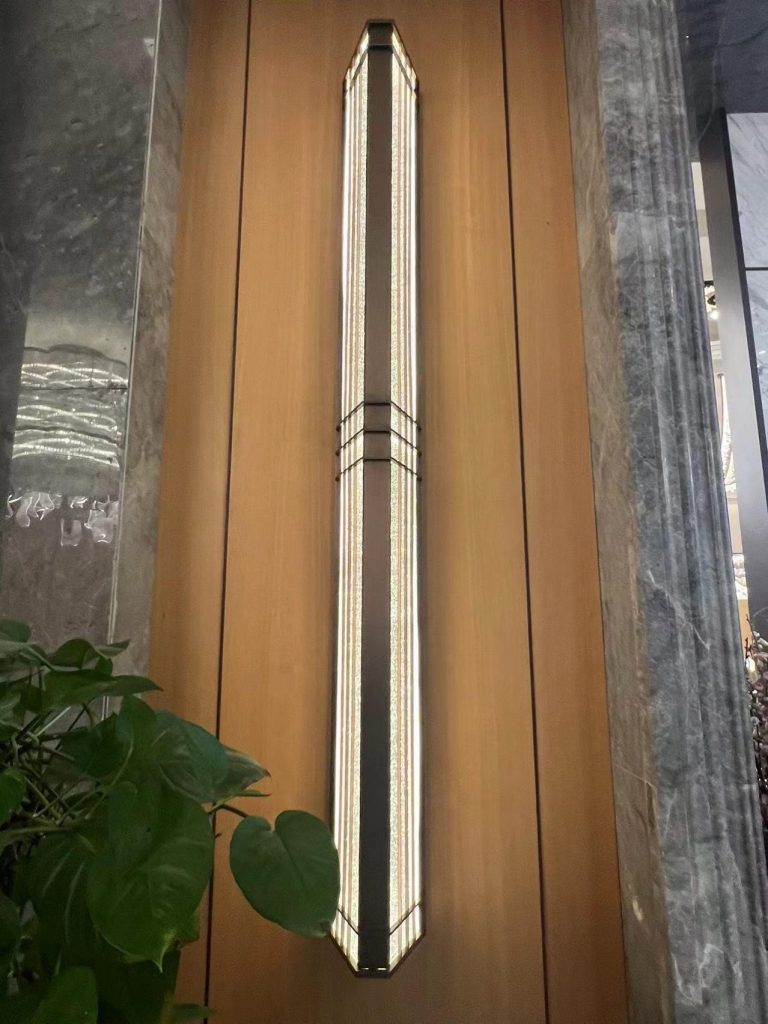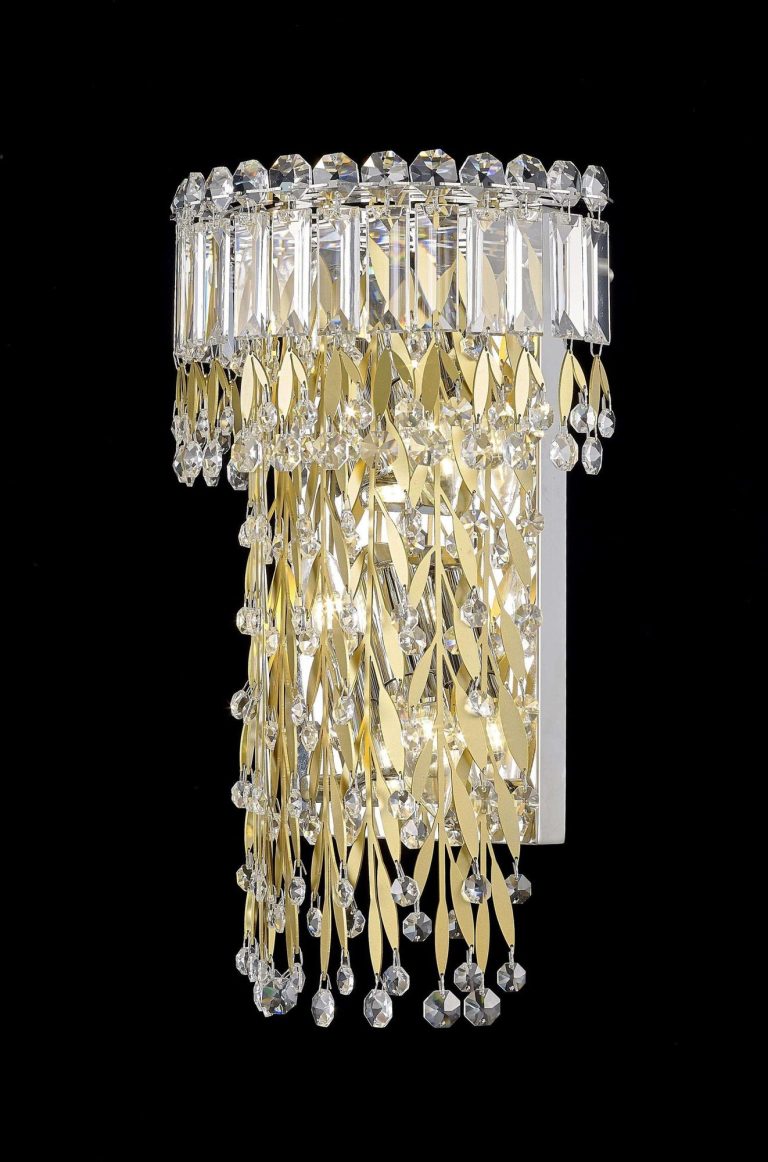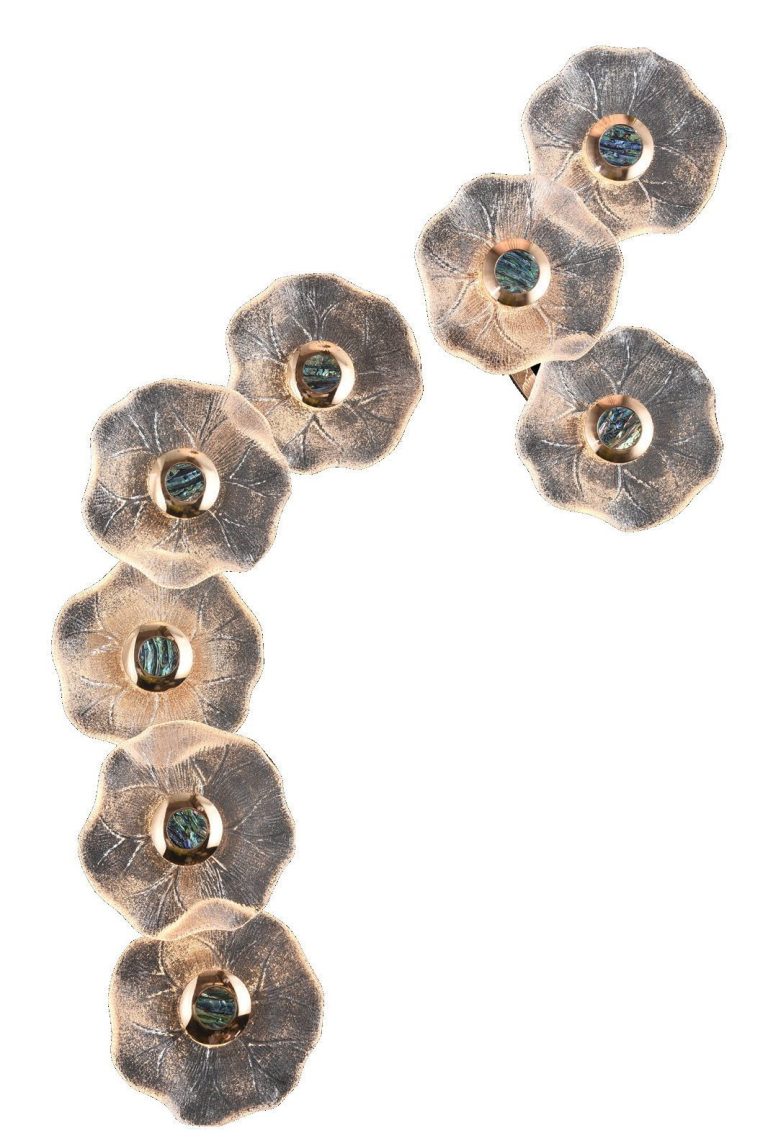
Applique de Magnolia, Jardin des Anges
Made to measure, price on quotation
World of China
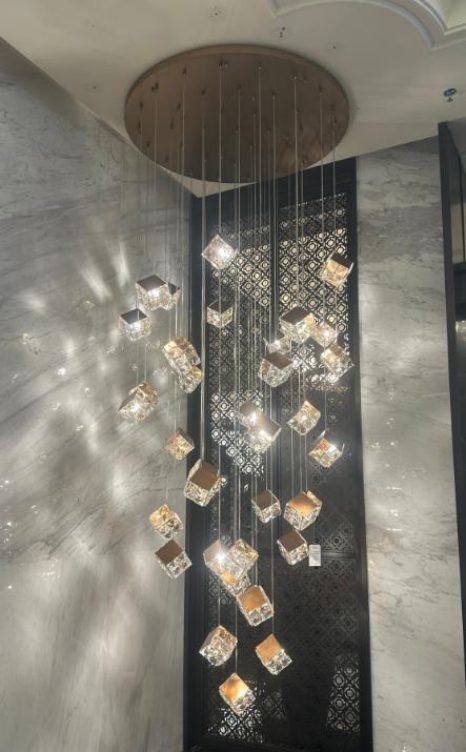
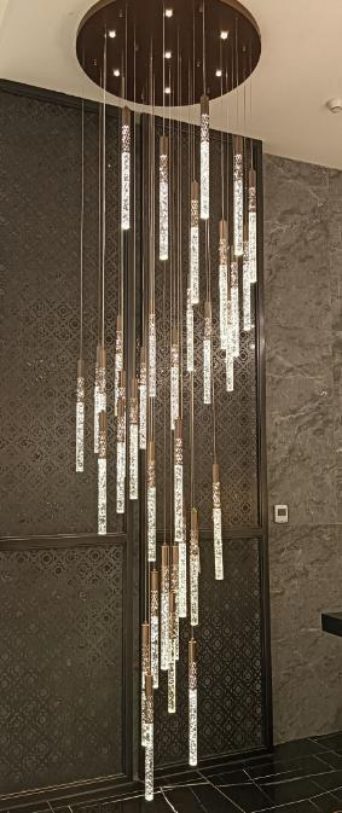
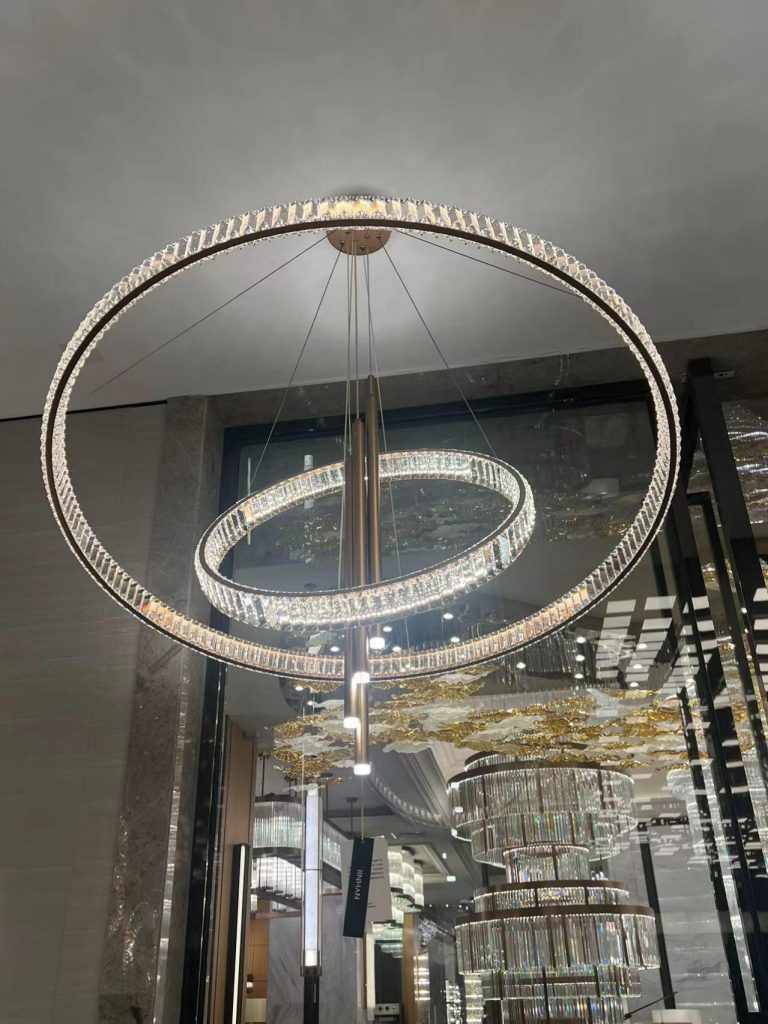
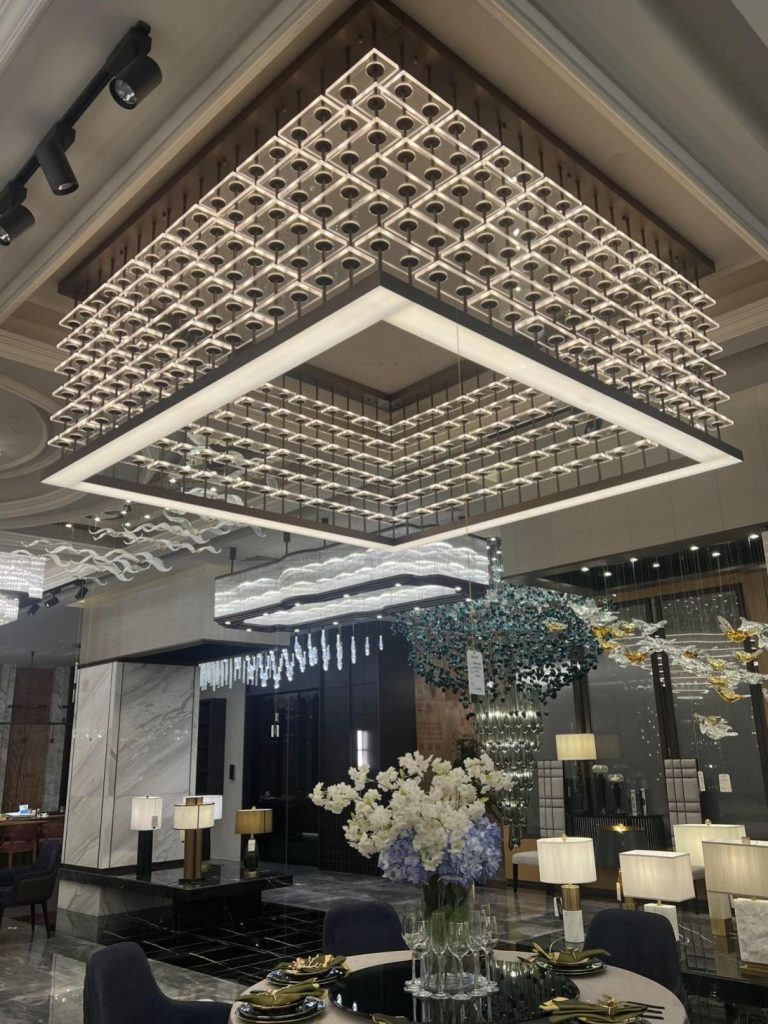
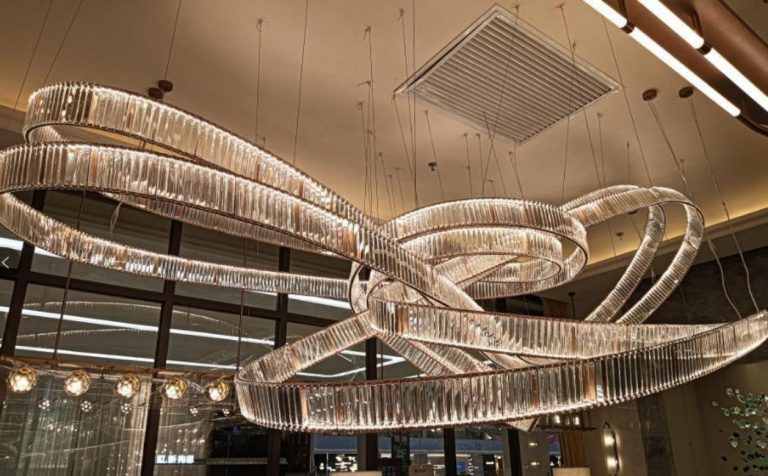
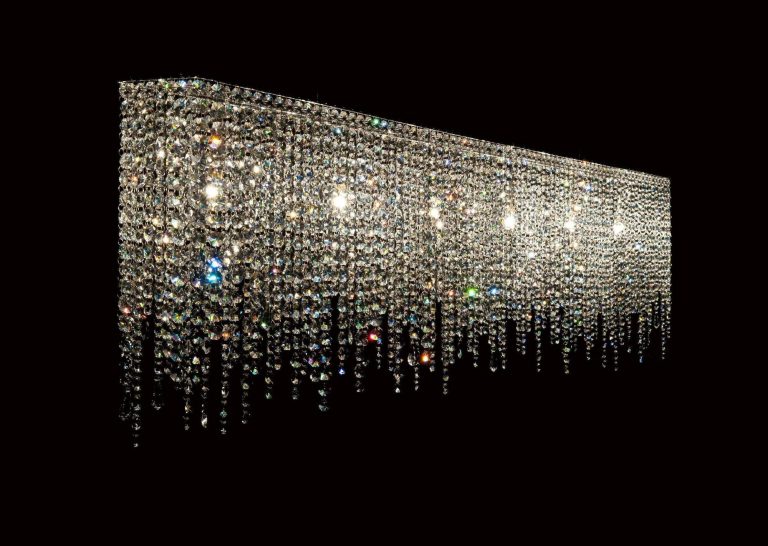
Art lighting. Cut glass, hand-shaped textured glass and glass mosaic.
Sui Ren is the name we give our lighting partner in China. 燧人 (suì rén), “the man of fire”, is the figure Chinese tradition credits with the invention of fire: the Han Feizi, a text of the 3rd century BC, tells of a sage who taught people to draw fire from wood by drilling it, so they could cook their food, and whom the grateful people named Suiren. 燧 is the tool that makes the flame, 人 the man. For workshops whose craft is light, the name was the obvious choice.
Sui Ren brings together several specialised workshops: one cuts the glass, another shapes textured glass by hand, a third sets glass mosaic tessera by tessera. Each range below corresponds to one of them.
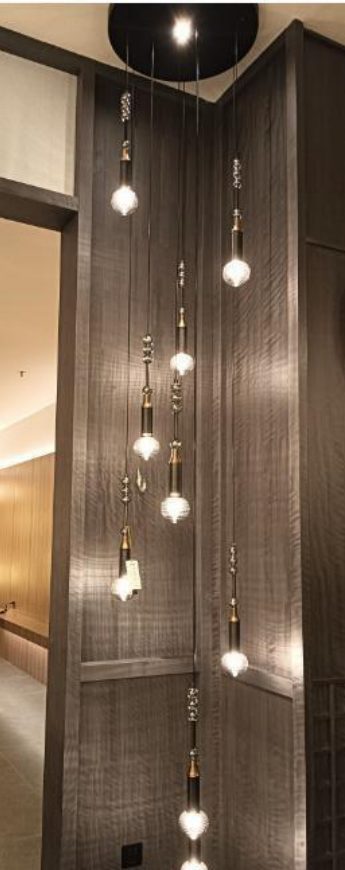
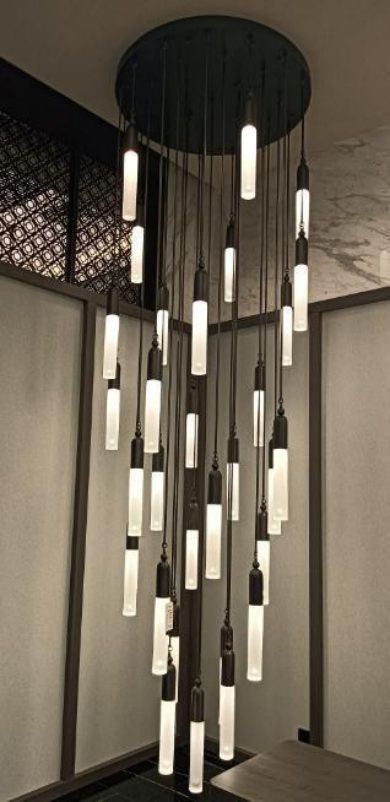
Nothing there is sold from a catalogue: each light fitting is made to order, with no fixed dimensions or prices. Span, drop height, number of lights, glass tint and metal finish are defined for each project, and the price is set after study.
The Halo Céleste range comes from the workshop that applies jewellery methods to lighting: glass is cut there like a stone, on laser cutting equipment. The workshop employs more than four hundred people and runs an eight-thousand-square-metre exhibition hall in the Chinese city where the lighting industry is concentrated.
Its process comes down to five stages, and it is the fourth and fifth that explain why a piece arrives intact after ten thousand kilometres.
The design starts from the golden ratio, then is adjusted to an actual ceiling height. This avoids the most common flaw of the chandelier with drops: a piece that looks right on paper but overwhelming once installed.
Load-bearing parts are made of seamless steel tube, sized for three times the load of ordinary steel. Standard parts are made of aluminium alloys and stainless steels of standardised grades.
Polishing is chemical. Then comes the stage that determines how well the piece ages: a double sealing varnish, with an anti-corrosion product, which protects the metallic finish from oxidation.
Every fitting undergoes a manual inspection, part by part. The drops and decorative elements are sorted by hand before assembly, so that each element matches the light fitting it is intended for.
Between polishing and electroplating, parts move in rotation bins so they do not rub against each other. The interior padding is single-piece foam, the case high-strength kraft cardboard.
Headcount, exhibition area and description of the process are those documented by the workshop. We checked them on site to guarantee the quality of the bespoke work.
The standard cut glass is K12 glass; other qualities, including crystal, can be offered on request. The protection rating is chosen for the location: IP20 indoors, IP54 or IP65 in bathrooms, IP65 and above outdoors.
Indicative production lead times, excluding transport: about 45 days for one of the workshop’s models, 60 to 90 days for a made-to-measure creation, depending on its complexity and on whether a mould has to be made.
Made to measure, price on quotation
Made to measure, price on quotation
Made to measure, price on quotation
Made to measure, price on quotation
Made to measure, price on quotation
Made to measure, price on quotation
Made to measure, price on quotation
Made to measure, price on quotation
Made to measure, price on quotation
Made to measure, price on quotation
Made to measure, price on quotation
Made to measure, price on quotation
Made to measure, price on quotation
Made to measure, price on quotation
Made to measure, price on quotation
Made to measure, price on quotation
Made to measure, price on quotation
Made to measure, price on quotation
Made to measure, price on quotation
Made to measure, price on quotation
Made to measure, price on quotation
Made to measure, price on quotation
Made to measure, price on quotation
Made to measure, price on quotation
Made to measure, price on quotation
Made to measure, price on quotation
Made to measure, price on quotation
Made to measure, price on quotation
Tell us what you need: we will come back to you with a study and a quotation.
Contact usPrivate selections
Pieces this site does not show
Artelinio regularly opens private selections from its workshops. Most of the furniture and accessories we commission never appear on this site. Leave your address to receive them, along with news from the house.
Private selections
Noted
You will receive our next selections. Every message carries an unsubscribe link.